
Oriental Cuisine Current location:HomeOriental Cuisine
 Time: 2024/1/22
 Hit: 142348

ORIENTAL SURPRISES TRAVEL
────────────────────────────────────────
HUNAN CUISINE GUIDE
"Xiang Cuisine" - The Soul of Spicy Fire
────────────────────────────────────────
One of China's Eight Great Culinary Traditions
Spicy | Smoky | Sour | Aromatic | Bold
────────────────────────────────────────
────────────────────────────────────────
Hunan cuisine, known as Xiang cuisine (Huxiang cuisine), is one of China's eight great regional culinary traditions. Named after the Xiang River that flows through the heart of the province, it has evolved over more than 2,000 years into a cuisine celebrated for its bold flavors, fiery spiciness, and unwavering commitment to authenticity.
Historical records from the Western Han Dynasty (202 BCE - 9 CE) show that Hunan's culinary techniques were already highly sophisticated. The Mawangdui Han Dynasty Tombs, excavated in Changsha in 1972, unearthed bamboo slips detailing 103 dishes, along with evidence of cooking methods such as steaming, braising, roasting, frying, and curing - many of which remain central to Xiang cooking today.
The introduction of chili peppers in the 16th century transformed Hunan cuisine forever. Unlike Sichuan cooking, which favors dried chilies and the numbing Sichuan peppercorn, Hunan cuisine champions fresh and pickled chilies, delivering an immediate, pure heat that is deeply characteristic of the Xiang spirit.
Chairman Mao Zedong, born in Shaoshan, Hunan, was a lifelong devotee of his home province's cooking. His beloved Red Braised Pork became a national icon. Today, Hunan cuisine commands 17.6% of China's national catering market, with an annual industrial output exceeding 600 billion CNY and over 118,000 restaurants nationwide - the largest share of any regional cuisine.
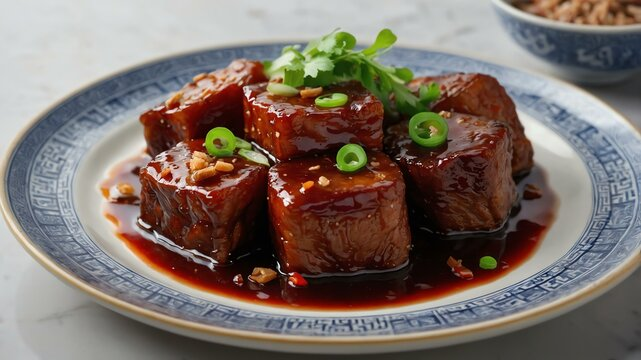
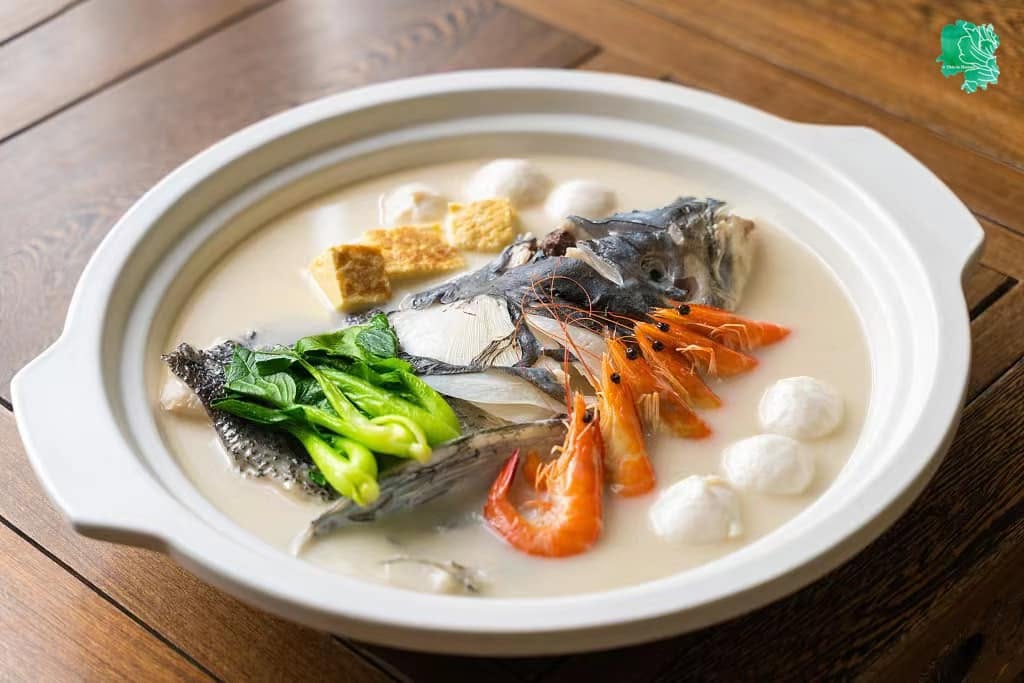
Traditional Hunan cuisine: fish head, braised pork, and regional classics
────────────────────────────────────────
Fiery Fresh Chili Heat
Unlike Sichuan's numbing peppercorns and dried chilies, Hunan cuisine uses fresh red chilies and chopped pickled chilies to deliver immediate, pure heat. The small Hunan local chilies are especially potent, creating bold, direct spiciness without complexity delay.
Acid-Spice Fusion
Hunan cuisine masterfully balances sour and spicy. Pickled long-beans, sour radish, and fermented chopped chili create the signature sour-hot combination - the 'Hunan paradox' where acidity amplifies rather than tempers the heat.
Smoky & Cured Tradition
Mountain villages and farmhouse kitchens have long used smoking and curing techniques. Pork belly and legs are rubbed with salt, chili, and five-spice, then hung over wood-burning stoves for weeks to develop intense, concentrated smoky flavors.
Rich Oil & Bold Color
Hunan dishes are characterized by liberal use of cooking oil and deep coloration. Double-sided frying, heavy braising, and rich sauces create dishes that are visually striking and satisfyingly hearty.
Freshness & Natural Flavor
Despite the bold seasoning, Hunan cuisine preserves the natural taste of ingredients. Freshness is paramount - fish from the Xiang River, greens from local farms, and wild mountain ingredients are prized.
Fermented Depth
Fermented black soybeans, chili paste, and pickled vegetables add layers of umami depth. These fermented ingredients provide the complex savory base that underlies so many Xiang dishes.
River & Lake Bounty
As a 'Land of Fish and Rice,' Hunan abounds in freshwater fish, waterfowl, rice, and vegetables. The Dongting Lake region supplies premium fish and eels, while western mountain areas offer wild herbs and game.
────────────────────────────────────────
* Xiang River Basin Style (Changsha)
Changsha - the capital - represents the most famous and vibrant Xiang cuisine. Known for its bustling food culture, night markets, and xiao chi (snack) scene, Changsha style emphasizes bold stir-frying, steaming, and red-cooking. Iconic dishes include Stinky Tofu, Spicy Crayfish, and steamed fish preparations. This is the style most recognized internationally.
* Dongting Lake Region Style (Northern Hunan)
The northern lake basin around Yueyang and Changde makes abundant use of freshwater fish, waterfowl, and lotus. Characteristic dishes include steamed mandarin fish, braised carp, and duck slow-cooked with dried chilies. The flavors are slightly milder and sweeter, with emphasis on fresh seafood.
* Western Hunan Mountain Style (Xiangxi)
The mountainous west - including Zhangjiajie, Fenghuang, and Huaihua - is home to Tujia and Miao minority communities. The cuisine here is rustic and hearty, built around smoked and cured meats, wild herbs, river fish, and fermented preparations. The smoky bacon with chili and the rice-fed chicken dishes are legendary.
────────────────────────────────────────
These iconic dishes define the Hunan dining experience - bold, spicy, and unforgettable.
1. Steamed Fish Head with Chopped Chili -- Duo Jiao Yu Tou
Origin: Changsha, Xiang River Basin | Tags: SPICY STEAMED SEAFOOD CLASSIC
A large carp or grass carp head is steamed to perfection and topped with a generous mound of fermented chopped red chili. The chili's fresh acidity mingles with the fish's delicate sweetness, creating the quintessential Hunan flavor: sour, spicy, fragrant, and bold. Served tableside from the steamer, it makes for a dramatic centerpiece. Qianyang Lake carp is the preferred choice for its tender, sweet flesh.

2. Mao's Red Braised Pork -- Mao Shi Hong Shao Rou
Origin: Shaoshan, Xiangtan | Tags: BRAISED RICH CLASSIC HOMEY
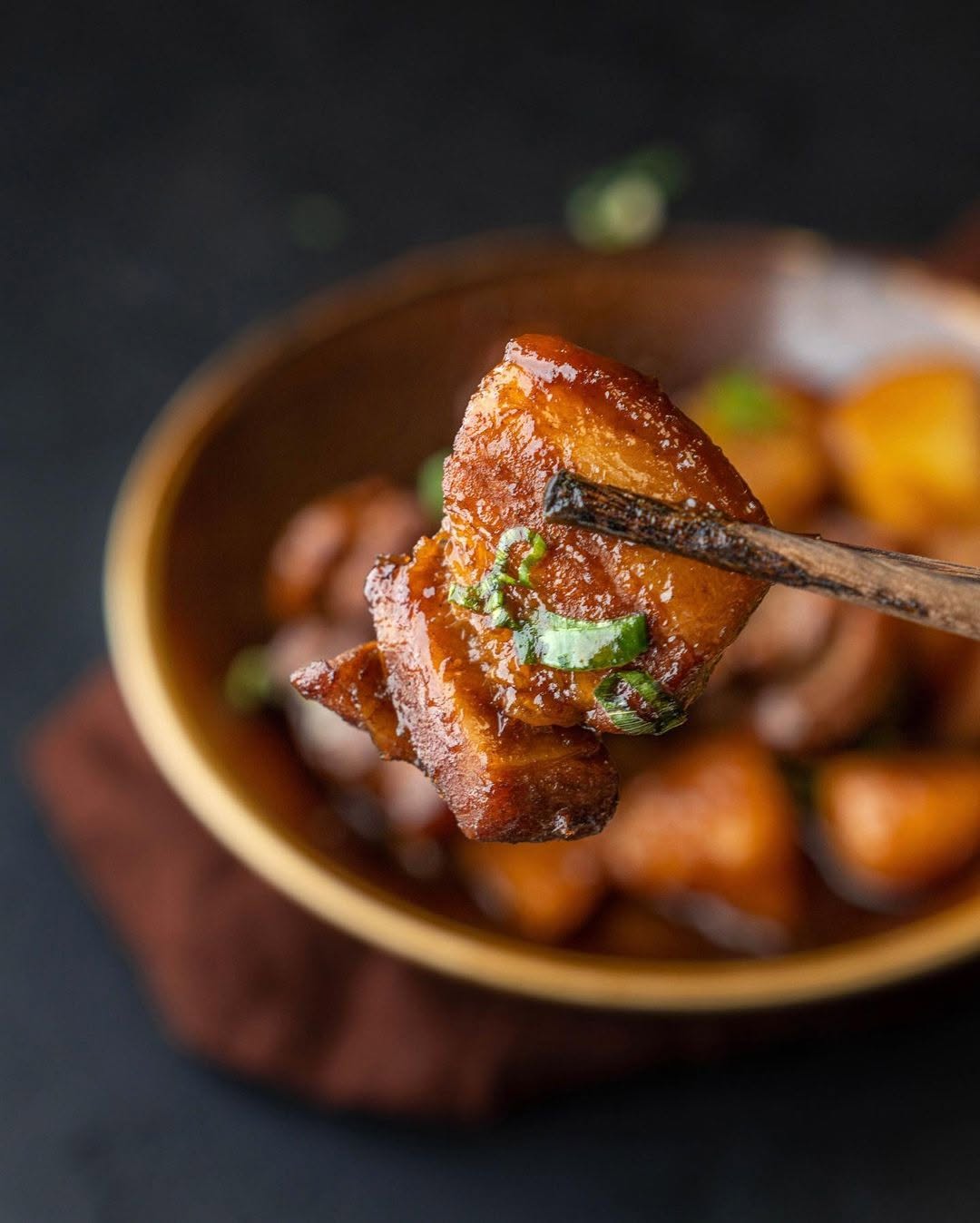
Pork belly cubes are slow-braised in soy sauce, sugar, and spices until the fat renders and the glaze caramelizes to a deep mahogany. Legend holds that Chairman Mao ate this dish daily for the mental energy it provided. Today it is served at virtually every Hunan restaurant as a proud emblem of the province's culinary identity. The meat is silky, the sauce is rich, and the flavor is deeply savory with just a hint of sweetness.
3. Dong'an Chicken -- Dong An Ji
Origin: Yongzhou, Western Hunan | Tags: SPICY CHILI OIL TENDER MINORITY
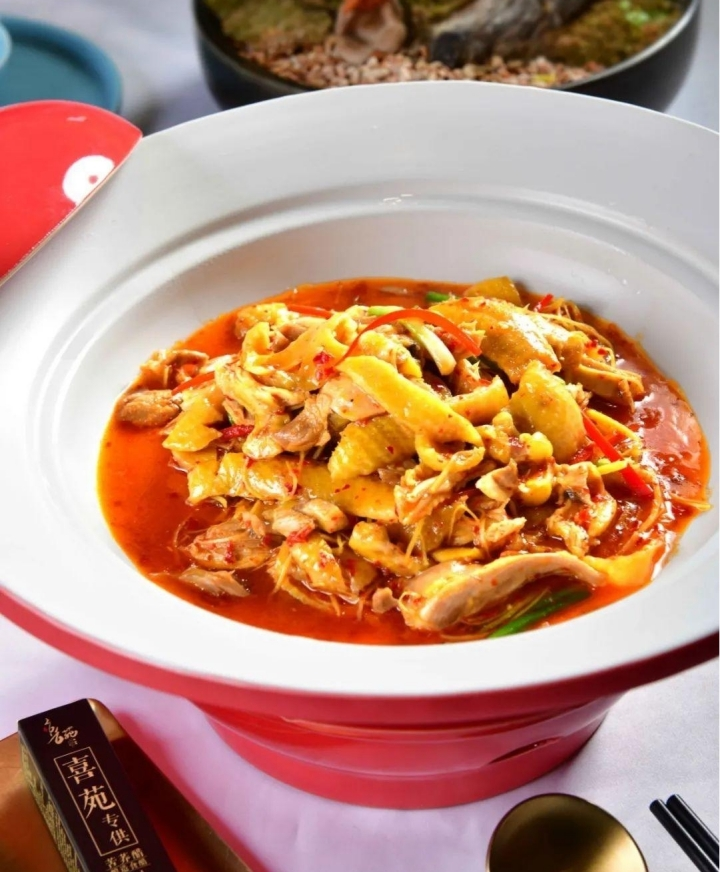
Dong'an Chicken is a masterpiece of Western Hunan's Tujia and Miao culinary traditions. A whole free-range chicken is night-braised (12+ hours) in an aromatic stock of chili oil, dried chilies, and spices until the meat is fall-off-the-bone tender. The dish is then shredded and dressed in its intensely flavored braising liquid. It is one of the most revered dishes in all of Hunan cuisine, demanding patience, skill, and quality ingredients.

4. Spicy Crayfish -- Kou Wei Xia
Origin: Changsha Night Markets | Tags: SPICY NIGHT MARKET SEASONAL SOCIAL
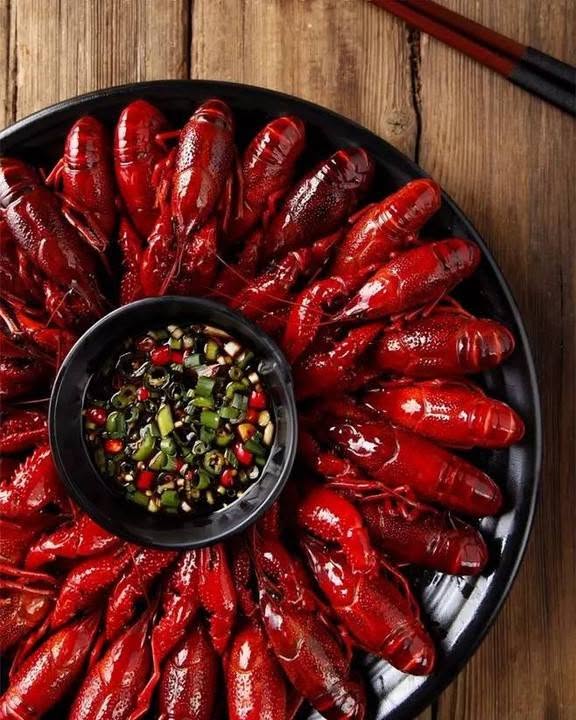
Hunan-style Spicy Crayfish is a summer staple of Changsha's legendary night markets. Whole crayfish are wok-fried in an intense sauce of fresh chilies, garlic, shallots, and fermented beans until the shell is deeply fragrant and the meat is succulent. Unlike the salt-and-scallion style popular in Jiangsu, the Hunan version is fiery, garlicky, and unapologetically bold. Eating crayfish with friends over cold beer is one of Changsha's most beloved social rituals.
5. Hunan Smoked Meat -- Hu Nan La Rou
Cured pork belly rubbed with salt, chili, and five-spice, then slow-smoked over wood and rice straw for weeks. The result is deeply savory, smoky, and chewy - a pantry staple used in stir-fries, steamed dishes, and rice porridge across every Hunan home.
6. Stewed Turtle with Ham -- Jia Zi Dun Ya
A luxurious banquet dish: soft-shelled turtle braised slowly with Jinhua ham, wolfberries, and chicken stock. The broth becomes a rich, amber elixir of umami, believed to have nourishing and restorative properties. This dish showcases Hunan's sophisticated side - refined, complex, and deeply flavored.
7. Changsha Rice Noodles -- Chang Sha Fen Ga
Fresh rice noodles in a deeply savory broth topped with chili oil, pickled vegetables, and sliced pork. A Changsha breakfast essential, found at every street corner and hole-in-the-wall shop. The smooth, chewy noodles absorb the spicy broth beautifully - comfort food at its finest.
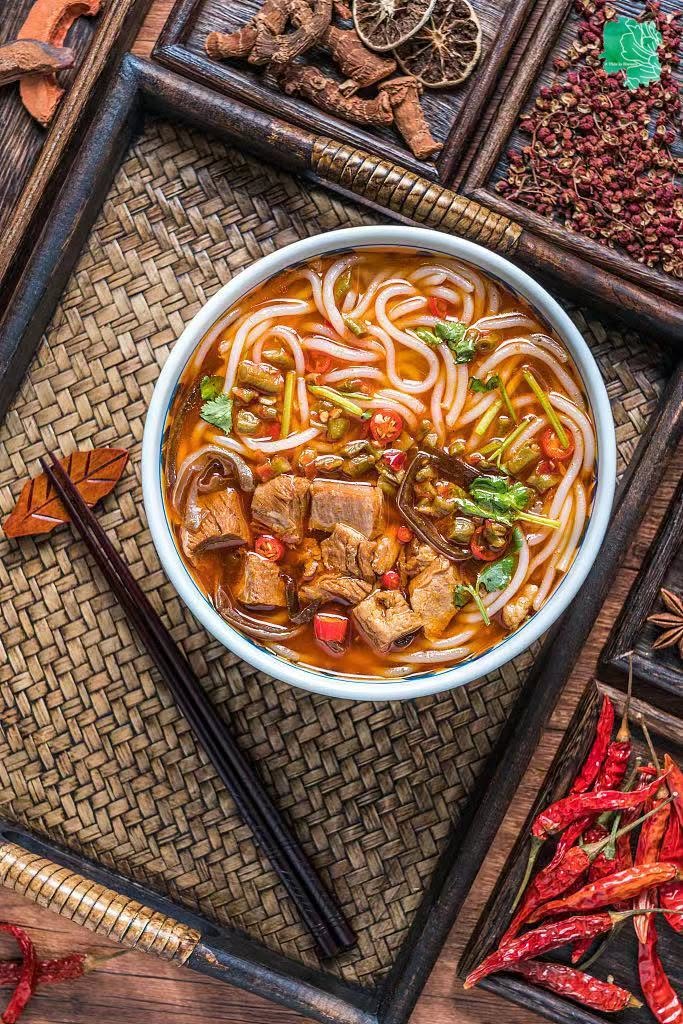
8. Fried Pork with Chili -- Zi Jiao Rou Ding
Small pork belly strips quickly fried in a screaming-hot wok with a generous quantity of green and red chilies. The pork crisps on the outside, stays tender within, and absorbs the chili's fragrance. Simple, quick, and explosively flavorful - this is the quintessential Hunan home-style dish and a crowd favorite at any table.

────────────────────────────────────────
Hunan cuisine is distinguished not only by its bold flavors but also by the sophisticated techniques that create them. The cooking methods have been refined over centuries and are central to the Xiang culinary identity.
Smoking (Shai Zhu)
Traditional farmhouse smoking uses wood fires and rice straw to cure pork belly and other meats over days or weeks. The process concentrates flavor, preserves the meat, and creates the distinctive smoky-sweet aroma that defines Hunan smoked meat. Different woods impart different flavor notes - a craft passed down through generations.
Steaming (Zheng)
Steaming preserves the natural flavors and nutrients of fish, poultry, and vegetables. The signature Steamed Fish Head with Chopped Chili is the ultimate expression of Hunan steaming - the gentle cooking heat allows the fish to absorb the aggressive chili topping without losing its delicate character.
High-Heat Stir-Frying (Cha Zhao)
The wok is the heart of Hunan cooking. Over fierce heat, ingredients are tossed and fried with generous oil and bold seasonings. Double-sided frying - frying until crispy on both sides before adding sauce - creates textural contrast. The 'bao' (explosive heat) technique keeps vegetables vibrant and crisp.
Braising (Hong Shao)
Slow-braised dishes like Mao's Red Braised Pork exemplify Hunan's mastery of the braise. Hours of gentle cooking in soy, sugar, and spice transform tough cuts into silky, deeply flavored masterpieces. The technique of 'red braising' caramelizes the sauce into a glossy, mahogany glaze.
Pickling & Fermentation (Zui Qiao Fa Jiao)
Hunan's pickled vegetable tradition is ancient and integral. Fast-pickled radish and long-beans add pure sourness; fermented chopped chili adds heat and acidity; fermented black soybeans provide depth. These condiments are the backbone of countless Xiang dishes.
Dry-Frying (Gan Chao)
Dry-frying removes moisture from ingredients before final seasoning, concentrating flavor and creating a unique texture. Chilies are often dry-fried until slightly charred, releasing their oils and fragrance before other ingredients are added.
────────────────────────────────────────
Beyond the famous signatures, Hunan cuisine offers a rich tapestry of dishes that showcase the province's creativity, regional diversity, and love of bold, honest flavors.

Stinky Tofu -- Chou Dou Fu
Changsha's most famous street snack: fermented tofu cubes are deep-fried until the exterior is crispy and the interior is silky. Drowned in a spicy chili oil sauce and topped with pickled vegetables and fresh herbs, the aroma is bold and the flavor is addictive. Served at night markets across the city.
Dish | Chinese Name | Characteristic |
Steamed Perch with Scallions | Qing Zheng Lu Yu | Delicate fish steamed with scallion oil |
Poached Fish in Chili Oil | Shui Zhu Yu | Fish slices in blazing red chili oil broth |
Braised Eel in Yellow Sauce | Huang Men Shan Yu | River eel braised in rich yellow sauce |
Preserved Eggs with Chili | Lei La Jiao Pi Dan | Beaten eggs and chili, pounded together |
Smoked Bacon with Chili | Hong Jiao Yan Rou Gan | Crispy smoked bacon stir-fried with chilies |
Spicy Hot Bullfrog | Kou Wei Niu Wa | Bullfrog in spicy garlic-chili sauce |
Chili Chicken Wings | La Zi Ji | Deep-fried wings in dried chili |
Lotus Root Ribs | Fen Gu Ya Song | Stir-fried lotus root with pork ribs |
Steamed Ribs with Taro | Zhen Ji Pai Gu | Pork ribs steamed over taro slices |
Spicy Pepper Beef | Qing Jiao Niu Rou | Beef with green chilies and cumin |
────────────────────────────────────────
The Spirit of 'La Er Bu Zao'
"Spicy but not dry heat - heat that invigorates, not overwhelms." This is the foundational philosophy of Hunan cuisine. True spiciness in Xiang cooking is meant to energize the body and clear the mind. The heat from fresh chilies stimulates circulation, aids digestion, and fights the damp cold of Hunan's humid climate. It is medicine as much as it is flavor.
Bold & Uncompromising
Hunan cooking reflects the direct, passionate nature of its people. Where other cuisines may seek subtlety and nuance, Xiang cuisine embraces boldness without apology. Flavors are direct, presentations are dramatic, and the dining experience is meant to be visceral and unforgettable. A Hunan meal is not passive - it engages all the senses.
Rice as Foundation
Xiang cuisine is fundamentally a "rice cuisine." The bold, salty, and spicy dishes are designed to stimulate appetite and be eaten with generous quantities of steamed rice. The phrase "Xia Fan" (Xia Fan) - literally 'go down with rice' - describes the primary purpose of Hunan cooking: to make rice enjoyable and satisfying.
Respect for Seasonality
Hunan's agricultural abundance shapes a cuisine that celebrates the seasons. Spring brings wild vegetables and bamboo shoots; summer offers peak-season chilies and cold dishes; autumn is smoking and curing season; winter brings hearty stews and warming spices. Every season has its own Xiang menu.
Hospitality & Community
Food in Hunan is inherently social. The shared dining tradition - many dishes placed at the center of the table for communal eating - reflects values of generosity, warmth, and togetherness. A Hunan meal is an expression of welcome and friendship.
────────────────────────────────────────
ORIENTAL SURPRISES TRAVEL
Your Gateway to Authentic Chinese Culinary Journeys
────────────────────────────────────────
Experience Hunan Cuisine with Us
From Changsha's sizzling night markets to the smoky farmhouse kitchens of Xiangxi, Oriental Surprises Travel curates immersive culinary experiences that take you to the very heart of Hunan's vibrant food culture. Let us guide your taste buds through a journey of fire, flavor, and unforgettable memories.
 Contact us :



WeChat

WhatsApp
Copyright ©2026-2031 Terms of Service Privacy Policy Return Terms Travel agency qualification number